Maybe it’s the lawyer in me – or the news junkie – but I’ve always approached momming from a knowledge-is-power perspective. As a full-time mom, I felt that it was part of my job to keep abreast of the latest books and trends and research to help me become a better parent.
Maybe it’s the extreme extrovert in me – or the parenting enthusiast – but I’ve always been very generous with that knowledge. Whenever I would come across an interesting piece of news or helpful bit of research, I shared it with any of my friends who might find it useful. A perk of our friendship, one friend called it.
Turns out it’s a damn hard habit to break. So, when I came across research showing that getting your kids outside can help protect their eyesight, I had to share.
Outside Time Does a Whole Lot of Great Things for Kids.
I hope you agree with me big time when I say that outside time for kids is a wholly good thing. Especially in nature. Study after study have proven that it’s not only great for them physically, it also improves their mood and ability to learn, restores their attention and concentration, relieves stress, and promotes creativity and social connection. But you don’t need a study to know that. Just watch your kids outside. Studying a bug. Climbing a tree. Racing their bikes. They’re happy. Curious. Engaged. Outside play – in the backyard or a park or the street – tends to be less structured and more kid-led, letting them make up games and decide rules and tell stories and resolve squabbles without the “help” of adults. This can make them more confident and socially skilled. So, it’s fair to say that every minute our kids spend outside is a minute packed with growth and rewards.
And Now Researchers Tell Us it Can Prevent Myopia.
Now we have another benefit to add to the reasons-to-send-kids-outside list: it’s good for their eyes.
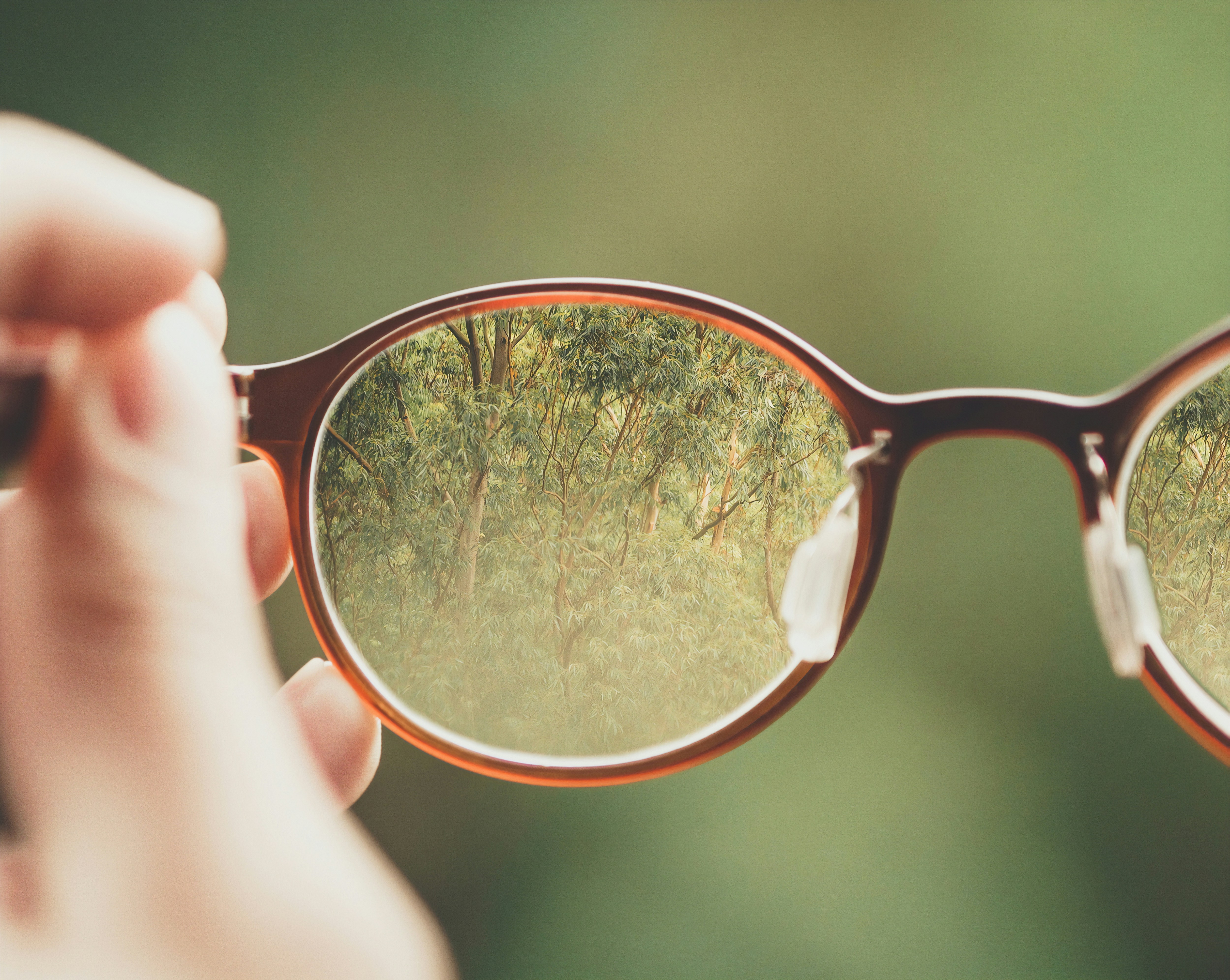
Nearsightedness, medically known as myopia, makes distant objects look blurry. It typically begins in childhood and can progress quickly. Glasses can help with the blurry vision, but there is no cure for the condition itself. Left unchecked, it can lead to sight-threatening conditions, like retinal detachment, cataracts, and glaucoma.
Myopia had traditionally been considered largely genetic. In recent years, though, the rates of nearsightedness have shot through the roof, from 25% back in the 70s to over 40% today. This is particularly true for kids. Experts speculate that this dramatic increase is fueled by the amount of time kids now spend looking at TV screens, phones and video games, which the CDC estimates can be as much as six hours a day. Turns out, all that screen time literally changes the shape of their eyes, stretching them to the point that far-away things blur.
Once the elongation of the eyeballs starts, it gets progressively worse. While there are treatments available to slow this progression – eyedrops and contact lenses – none can completely stop it. Doctors believe the best approach is to prevent it from developing in the first place. How, you ask? By sending them outside.
Researchers in Australia noticed the rates of nearsightedness in their home country didn’t line up with skyrocketing rates in some East Asian countries, where as many as 90% of young adults were dealing with myopia. They speculated that Australia’s outdoor lifestyle might be in play, because light stimulates production of dopamine in the eye and dopamine slows the eyeball from elongating. They conducted a two-year study of thousands of pre-teens and discovered that the kids who spent more time outdoors were both less likely to be myopic and less likely to become myopic later on. Additional studies found this to be true even when kids spent a lot of time reading or looking at screens or had a genetic predisposition.
Shoot for Two Hours a Day, and Start Now.
I’m sure every bit of time outside helps, but the researchers recommend two hours a day – every day – to offer kids maximum protection from myopia. And the younger you start, the better.
That’s probably not so hard to do in Australia. But in other parts of the world – where the weather’s not always great and kids are already overscheduled and parents beyond busy – that’s a lot of time. The good news is that the impact on their little eyeballs is the same whether it’s a beautiful spring afternoon or dreary winter morning. And the really good news is that all outside time counts. Waiting for the bus. Soccer practice. Recess. Even moving them outside to do homework can help preserve your kids’ vision.
I hate to add anything to your already too long to do list, but finding a way to increase your kids’ outside time seems incredibly worthwhile. Maybe, if you sit down and do the math, you’ll find that they’re already at that magic two hour mark. Yay you! Or, with a little tweaking, they could be. Again, go mom! Either way, you’ve armed yourself with another reason to feel good about sending the kiddos outside and another reason to feel confident that they will grow into the far sighted adults you want them to be. And I thought you might find that useful.